
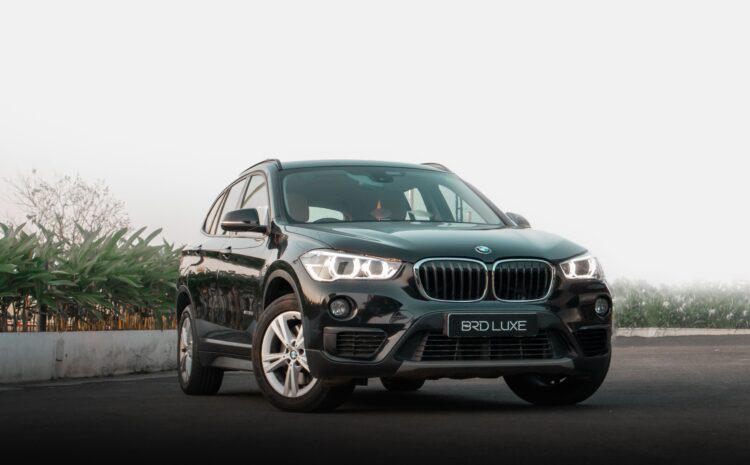
Looking for BMW or Mercedes Repair in Pacifica? 5 Things You Should Know About Your Car’s Safety Sensors
If you’ve ever driven along Highway 1 through the morning mist, you know that Pacifica offers some of the most beautiful: and occasionally challenging: driving conditions in the San Francisco Bay Area. For owners of modern BMWs and Mercedes-Benz vehicles, that coastal commute is made significantly easier by Advanced Driver Assistance Systems (ADAS). These are the systems that keep you centered in your lane, maintain a safe distance from the car ahead, and help you squeeze into a tight parking spot near the pier.
However, these high-tech conveniences rely on a complex network of safety sensors that are far more delicate than most drivers realize. When you’re looking for European auto repair in Pacifica, CA, it isn’t just about changing the oil or checking the brakes anymore. It’s about ensuring the “eyes and ears” of your vehicle are perfectly aligned.
At European Motor Werks, Eddie and our ASE-certified team have spent decades under the hoods of German machines. We’ve seen how a simple bumper repair or a windshield replacement can throw off a car’s entire safety suite if not handled correctly. If you are seeking BMW repair in Pacifica, CA, or need a specialist for Mercedes repair in Pacifica, CA, here are five technical things you need to know about your car’s safety sensors.
1. Your Car Uses a “Sensor Fusion” Strategy
Modern BMWs and Mercedes don’t rely on just one type of sensor. Instead, they use “sensor fusion,” where data from multiple sources is combined to create a 360-degree map of your surroundings.
- Cameras: Usually mounted behind the rearview mirror, these “see” lane markings and traffic signs.
- Radar: Often hidden behind the front grille (near the Mercedes star or BMW kidneys), these measure the distance and speed of other vehicles.
- Ultrasonic Sensors: These are the small circular “pills” in your bumpers used for parking assist.
- Lidar: Found on the newest high-end models, providing laser-accurate 3D mapping.
Because these systems work together, a fault in one can disable them all. For example, if a rogue pebble on a Pacifica road chips the glass directly in front of your BMW’s camera, your lane-keep assist might stop working entirely. Understanding how these sensors overlap is the first step in accurate auto diagnostics.
2. Calibration Isn’t Just “Checking It”: It’s a Surgical Procedure
One of the biggest misconceptions about European auto repair in Pacifica, CA, is that sensor calibration is just a software reset. In reality, it is a physical and digital alignment that requires specialized targets and floor markings.
There are two main types of calibration:
- Static Calibration: This happens inside the shop. We set up physical targets at precise distances and heights. The car’s onboard computer “looks” at these targets to determine its exact orientation.
- Dynamic Calibration: This involves a specialized test drive where the car’s computer learns by observing real-world landmarks (like lane lines and road signs) while driving at specific speeds.
BMW and Mercedes often require both. If a shop tells you they “calibrated” your radar without using a target board or performing a specific drive cycle, they likely haven’t met the OEM requirements. This is why many Pacifica drivers choose specialized shops over general mechanics; the precision required is measured in millimeters and fractions of a degree.
3. The “Pacifica Factor”: Salt, Fog, and Sensors
Living near the ocean is great for the soul, but it can be tough on European electronics. For drivers in Pacifica, the combination of heavy coastal fog and salt-laden air creates a unique environment for safety sensors.
Salt buildup on the exterior of a radar sensor can actually attenuate the signal, leading to “blindness” errors in your Mercedes-Benz Distronic system. Furthermore, heavy fog can scatter the light used by BMW’s optical cameras. While the car is designed to handle these conditions, persistent exposure to salt air can lead to corrosion in the wiring harnesses behind the bumpers.
When performing Mercedes repair in Pacifica, CA, we often check the seals and connectors of these sensors for signs of oxidation. A sensor might be fine, but a corroded connector could be sending “ghost” signals to your dashboard, causing unnecessary stress.

4. Why Suspension Work and Windshield Changes Trigger Resets
You might wonder why you need a sensor recalibration after a simple suspension repair or a windshield replacement.
Consider this: if your windshield camera is off by just one millimeter at the mounting point, that error translates to several feet of inaccuracy 100 yards down the road. If the car thinks the lane line is three feet to the left of where it actually is, the “safety” system could actually steer you into danger.
Similarly, if we perform BMW repair in Pacifica, CA, and replace your shocks or struts, the ride height of the car changes. Even a half-inch difference in how the car sits on the road changes the “thrust angle” and the pitch of the radar sensors. Any time the physical geometry of the car changes, the sensors must be taught their new position relative to the road.
5. The Role of the Steering Angle Sensor
Perhaps the most overlooked component in the ADAS suite is the Steering Angle Sensor (SAS). This sensor tells the car’s computer exactly where the steering wheel is pointed.
In a Mercedes-Benz, the SAS is vital for the Electronic Stability Program (ESP) and the Active Steering Assist. If your car’s wheels are aligned but the steering angle sensor hasn’t been reset to “zero,” the car might think you are in a permanent skid. This can cause the brakes to pulsate or the engine power to drop unexpectedly as the car tries to “correct” a problem that doesn’t exist.
When you bring your vehicle to us for European auto repair in Pacifica, CA, we don’t just align the tires. We use factory-level tools to ensure the SAS and the ADAS cameras are “speaking the same language.” It’s this attention to detail that differentiates a specialized dealership alternative from a high-volume chain shop.
Conclusion: Trusting the Experts in Pacifica
Modern European cars are essentially supercomputers on wheels. While the safety sensors in your BMW or Mercedes are designed to protect you, they require specialized knowledge and equipment to maintain. Whether it’s recalibrating a camera after a glass repair or diagnosing a radar fault after a minor fender bender, these systems are too critical to leave to chance.
At European Motor Werks, we combine 40+ years of technical experience with a genuine passion for these machines. We understand the unique needs of Pacifica drivers and the specific requirements of German engineering. We provide honest estimates, OEM-quality parts, and the peace of mind that comes from knowing your car’s safety systems are functioning exactly as the factory intended.
Don’t let a dashboard warning light compromise your safety. If you need expert BMW repair in Pacifica, CA, or specialized Mercedes repair in Pacifica, CA, come see Eddie and the team. Contact us today to schedule an inspection or a diagnostic session, and let’s keep your European car performing at its peak on the beautiful roads of the Bay Area.